Plumbing Hand Tools for Pipe Installation, Repair, and Maintenance
Plumbing hand tools support pipe installation, system repairs, and fixture connections where clean cuts, accurate fitting, and secure tightening are essential. From pipe wrenches and plastic pipe cutters to copper cutters, reaming pens, and replacement cutter blades, the right tools help plumbers maintain efficiency while reducing leaks and rework.
Designed for residential, commercial, agricultural, and service environments, professional plumbing tools allow crews to handle copper, PEX, ABS, and other piping systems with consistent results.
Types of Plumbing Hand Tools and Their Uses
Different tools support each stage of plumbing work.
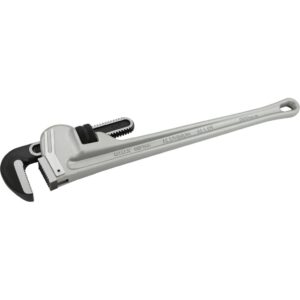
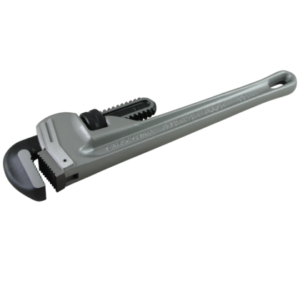
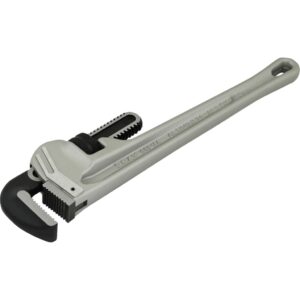
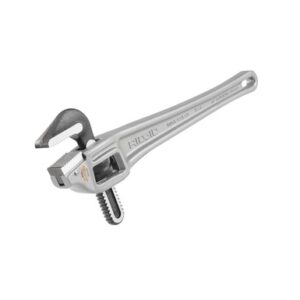
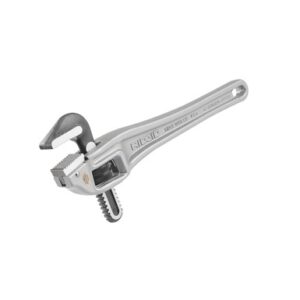
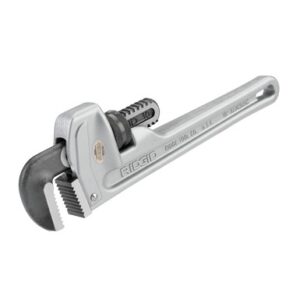
Pipe wrenches provide strong gripping force for tightening and loosening threaded fittings.
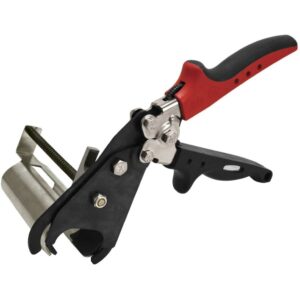
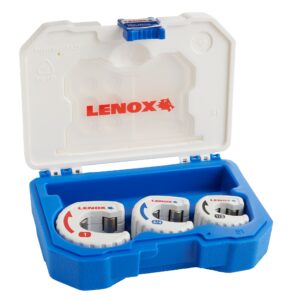
Plastic pipe cutters support clean cuts on PEX, ABS, and similar materials without crushing pipe walls.
Copper pipe cutters deliver precise cuts that improve connection quality and reduce preparation time.
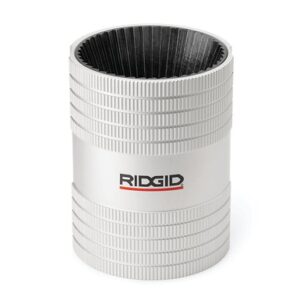
Reaming pens remove burrs inside pipe after cutting to support smooth flow and proper fitting.
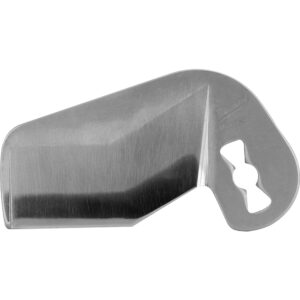
Replacement blades extend cutter lifespan and maintain clean cutting performance.
Using the correct tools improves connection reliability and reduces installation errors.
Choosing the Right Plumbing Tools
Selecting plumbing tools depends on pipe material, diameter, and task frequency.
Cutting capacity determines compatibility with different pipe sizes.
Tool design influences control in tight spaces.
Replaceable components improve long-term value.
Grip design affects comfort during repetitive service work.
Maintaining a consistent set of plumbing tools allows crews to move efficiently between installation and repair tasks.
Built for Daily Service Work
Plumbing tools are frequently used across maintenance calls and new installations. Durable cutting edges, strong gripping performance, and consistent tool alignment reduce rework and improve jobsite efficiency.
Because cutters and gripping tools experience wear, plumbers often replace blades and upgrade core tools as performance declines.
How Plumbing Tools Connect to Other Jobsite Supplies
Plumbing hand tools are commonly used alongside sealants, fasteners, layout tools, electrical tools, HVAC tools, and hand tools across installation and repair work. Contractors frequently source these items together to maintain workflow continuity from rough-in through final fixture connection.
Location Convenience for Plumbing Supply
Contractor Cave is located in Woodstock, Ontario just minutes off Highway 401, making it convenient for plumbers travelling between job sites across Southwestern Ontario to access essential plumbing tools without significant detours.
Plumbing Hand Tools FAQ
What plumbing tools are essential?
Core plumbing tools typically include pipe wrenches, pipe cutters, and reaming tools designed for different pipe materials. These tools support installation, repair, and fixture connections by ensuring clean cuts and secure fittings. Keeping a range of sizes available helps crews handle varying pipe diameters efficiently.
Why are pipe cutters better than saws?
Pipe cutters create clean, square cuts that improve connection quality and reduce the need for additional preparation. Compared to saws, they produce fewer burrs and help maintain proper pipe dimensions. Using the correct cutter for the pipe material supports more reliable fittings and fewer leaks.
What does a reaming pen do?
A reaming pen removes burrs from the inside edge of pipe after cutting, helping ensure smooth flow and proper fitting engagement. Removing burrs reduces turbulence, protects seals, and improves long-term connection reliability. This step is especially important for copper installations.
When should pipe cutter blades be replaced?
Replacement is recommended when cutting requires more force, produces rough edges, or begins to deform pipe. Dull blades can slow installation and affect connection quality. Keeping replacement blades on hand helps maintain consistent performance.
Do plumbers need different cutters for different materials?
Yes. Plastic, copper, and other piping materials often require specialized cutter designs to achieve clean cuts without damaging the pipe. Using the correct cutter improves speed, accuracy, and connection reliability across installations and repairs.