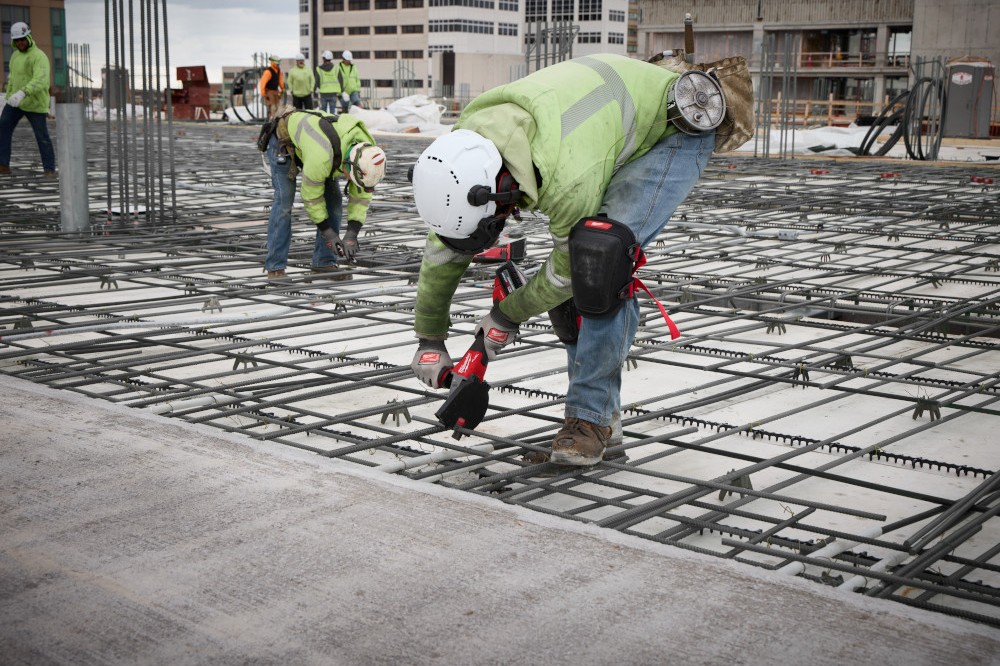
Cutting rebar is one of the most common tasks on concrete and forming jobs, but it can quickly become a bottleneck if you’re using the wrong tools. Whether you’re working on footings, slabs, or reinforced walls, the way you cut rebar directly impacts speed, safety, and overall productivity.
The biggest shift happening on jobsites today is moving from manual cutting methods to dedicated cordless rebar cutters and higher-output cutting tools.
What Happens After Rebar Is Placed
Once reinforcement is installed, the next step is getting the slab flat and consistent.
Screeding speed becomes critical after reinforcement is placed, especially on larger pours where delays can slow finishing crews and impact overall productivity.
Screeding Concrete Faster with Fewer Workers
Manual Rebar Cutting vs Powered Cutting (What Actually Changes)
Manual Rebar Cutting
- Requires physical effort for every cut
- Slower on higher volumes
- Consistent for smaller jobs and occasional use
- No power required
Powered Rebar Cutting
- Significantly faster cutting speed
- Reduced operator fatigue
- Cleaner, more consistent cuts
- Better for repetitive and high-volume work
This is where cordless rebar cutters and cut-off saws change the workflow.
What Faster Rebar Cutting Actually Means on the Job
Faster rebar cutting is not just speed. It is:
- Reducing physical strain on the crew
- Increasing cut consistency
- Handling larger diameters with less effort
- Keeping workflow moving without delays
This becomes critical on jobs with continuous cutting or tight timelines.
Rebar Cutting Tools Contractors Are Using Right Now
Marshalltown Rebar Cutter/Bender (25122)
Best for:
- Light-duty cutting and bending
- Smaller diameter rebar
- Occasional jobsite use
Key advantage:
- Simple, reliable manual tool with no power required
BN Manual Rebar Bender/Cutter (MBC-16B)
Best for:
- Medium-duty manual cutting and bending
- Crews working without power access
- Controlled bending and cutting in one tool
Key advantage:
- Higher capacity manual solution for combined cutting and bending
Milwaukee M18 FUEL Rebar Cutter
Best for:
- High-volume cutting
- Repetitive rebar work
- Crews looking to eliminate manual strain
Key advantage:
- Fast, consistent cuts with minimal effort using cordless power
Related:
METABO HPT 36V MultiVolt Brushless Rebar Bender Kit (VB3616DA)
Best for:
- Combined cutting and bending applications
- Structural and forming crews
- Jobs requiring precise bends and cuts
Key advantage:
- Cordless system that replaces manual bending and cutting setups
Milwaukee M18 FUEL 9 in Cut-Off Saw (2786-20)
Best for:
- Cutting thicker rebar
- Jobsite versatility beyond rebar
- Crews already running M18
Key advantage:
- High-output cutting for rebar, steel, and concrete applications
DEWALT 60V MAX Brushless 9 in Cut-Off Saw (DCS692B)
Best for:
- Heavy-duty cutting applications
- Larger diameter rebar
- Crews invested in FLEXVOLT platform
Key advantage:
- Strong cutting performance with cordless convenience
SDS Plus Rebar Cutting Drill Bits
Best for:
- Drilling through embedded rebar in concrete
- Anchoring and retrofit work
- Situations where cutting is not accessible
Key advantage:
- Allows progress without the need to relocate
Which Rebar Cutting Tool Should You Choose
- Occasional cutting and smaller jobs
Marshalltown Rebar Cutter/Bender (25122) or BN Manual Rebar Bender/Cutter (MBC-16B)
- Repetitive cutting and higher productivity
Milwaukee M18 FUEL Rebar Cutter
- Combined cutting and bending workflow
METABO HPT 36V MultiVolt Brushless Rebar Bender Kit (VB3616DA)
- Thick material or multi-purpose cutting
Milwaukee M18 FUEL 9 in Cut-Off Saw (2786-20) or DEWALT 60V MAX Brushless 9 in Cut-Off Saw (DCS692B)
- Drilling through embedded rebar
SDS Plus Rebar Cutting Drill Bits
Typical Crew Setup Before vs After Switching to Cordless Rebar Cutting
Manual cutting setup:
- 1-2 workers cutting manually
- Slower cutting speed
- Increased fatigue over time
- Inconsistent pace depending on operator
Cordless cutting setup:
- 1 operator handling cuts
- Faster, repeatable cutting speed
- Reduced physical strain
- Keeps workflow moving without delays
This is where most crews see immediate gains in both speed and consistency.
Typical Jobs That Benefit Most
- Concrete forming and footings
- Slab reinforcement work
- Rebar cage assembly
- Commercial and industrial concrete work
- Retrofit and anchoring jobs
What Actually Matters When Choosing a Rebar Cutter
Cutting Capacity
- Make sure the tool handles your typical rebar size
Speed
- Important for high-volume cutting
Portability
- Cordless tools reduce setup time
Multi-Function Capability
- Some tools combine cutting and bending
Durability
- Jobsite conditions require robust construction
Fastest Way to Improve Productivity on Rebar Jobs
If your crew is still cutting rebar manually, upgrading to cordless cutting tools is one of the fastest ways to:
- Reduce labour strain
- Increase cutting speed
- Improve consistency
- Keep jobs moving without delays
This is not just a tool upgrade. It is a workflow upgrade.
FAQ
What is the fastest way to cut rebar on a jobsite?
The fastest method is using a dedicated cordless rebar cutter like the Milwaukee M18 FUEL Rebar Cutter, which delivers quick, consistent cuts with minimal effort compared to manual tools.
Can you cut rebar with a cut-off saw?
Yes. Tools like the Milwaukee M18 FUEL 9 in Cut-Off Saw (2786-20) and DEWALT 60V MAX Brushless 9 in Cut-Off Saw (DCS692B) are commonly used for thicker rebar and multi-purpose cutting, especially when working with larger diameters.
Do you need a special tool to cut rebar in concrete?
Yes. When rebar is embedded in concrete, SDS Plus rebar cutting drill bits allow you to drill through without switching tools or stopping the job.