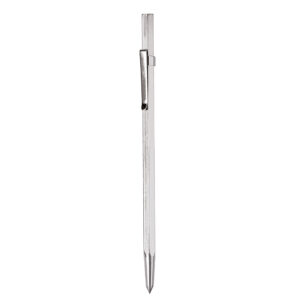
Marking Tools for Layout, Measurement Transfer, and Jobsite Identification
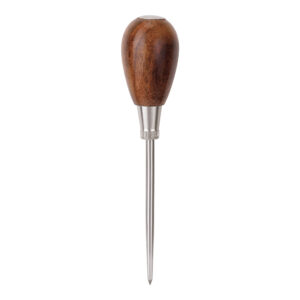
Marking tools support layout, alignment, cutting, and installation work where clear, accurate reference lines are critical. From chalk lines and chalk refills to carpenter pencils, paint markers, jobsite markers, and soapstone for metal layout, these tools help crews transfer measurements quickly and maintain visibility across varied jobsite conditions.
Our selection includes professional brands such as Tajima and Pica, designed for durability, precision marking, and repeat use in framing, concrete, steel, mechanical, and finish work.
Types of Marking Tools and Their Uses
Different marking tools serve different materials and environments.
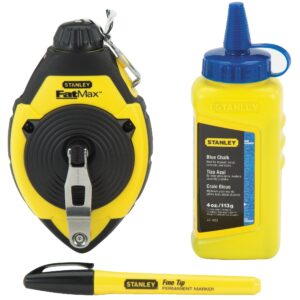
Chalk lines establish long, straight reference lines for framing, roofing, and slab layout.
Chalk refills provide high-visibility line colour options.
Carpenter pencils allow quick layout on lumber and rough surfaces.
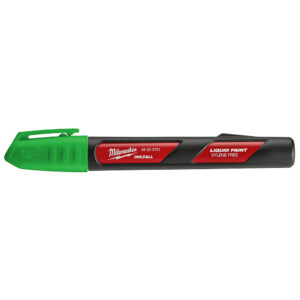
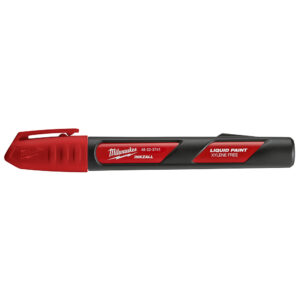
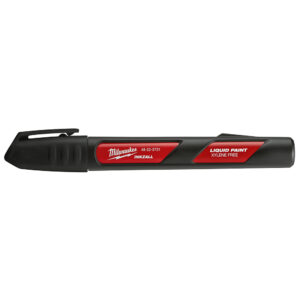
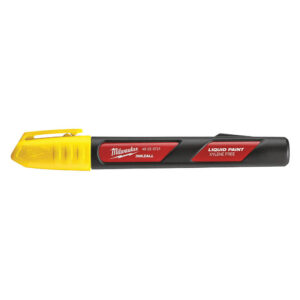
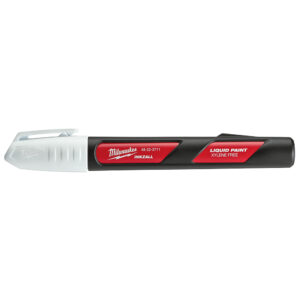
Paint markers and jobsite markers provide durable marking on wood, concrete, plastic, and finished materials.
Soapstone is commonly used for marking metal in fabrication and welding applications.
Using the correct marking tool improves accuracy and reduces layout errors.
Choosing the Right Marking Tool
Selection depends on surface type, visibility needs, and environmental conditions.
Bright chalk improves visibility on concrete and subfloor.
Refillable mechanical pencils improve precision in finish carpentry.
Paint markers provide weather-resistant identification.
Soapstone withstands heat and performs well on steel surfaces.
Keeping multiple marking options available improves efficiency across trades.
Built for Jobsite Durability
Marking tools are exposed to dust, moisture, abrasion, and repeated handling. Professional-grade housings, refill systems, and durable tips help maintain consistent performance across demanding work environments.
Because marking tools are frequently lost or worn out, contractors often restock regularly to maintain workflow.
How Marking Tools Connect to Other Jobsite Supplies
Marking tools are commonly used alongside levels, measuring tapes, layout lasers, cutting tools, and fastening supplies across framing, concrete, mechanical, and fabrication workflows. Accurate marking supports accurate installation.
Marking Tools FAQ
What marking tools are most commonly used in construction?
Chalk lines, carpenter pencils, paint markers, and soapstone are commonly used across trades. Each tool supports different surfaces and conditions. Having multiple marking options improves efficiency.
When should I use soapstone?
Soapstone is commonly used for marking metal in fabrication and welding applications. It withstands heat and remains visible during cutting and grinding. It is preferred in steel environments.
What type of chalk should I use?
Chalk colour and type depend on surface and weather conditions. Bright colours improve visibility, while permanent chalk is used when lines must remain visible longer. Selection depends on application.
Why use mechanical jobsite pencils?
Mechanical pencils such as Pica models provide consistent line thickness and refill capability. They are useful for detailed layout and finish work. This improves accuracy over traditional pencils.
How often should marking tools be replaced?
Replacement depends on wear, loss, and tip condition. Chalk and paint markers are consumable and require regular restocking. Maintaining fresh marking tools helps avoid layout delays.