Specialty Mechanic Tools for Automotive, Fleet, and Equipment Service
Specialty mechanic tools support diagnostic work, component service, precision torque application, and shop efficiency across automotive, heavy truck, fleet, farm, and industrial repair environments. From torque wrenches and bearing separators to diagnostic tools and shop support equipment, these tools allow technicians to work accurately, safely, and efficiently.
Our selection includes professional-grade tools from Gray Tools and GearWrench, designed for repeated use in demanding service conditions.
Types of Specialty Mechanic Tools and Their Uses
Different specialty tools support different service tasks.
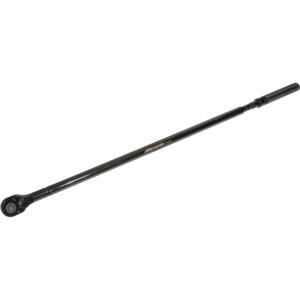
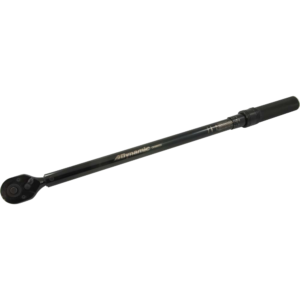
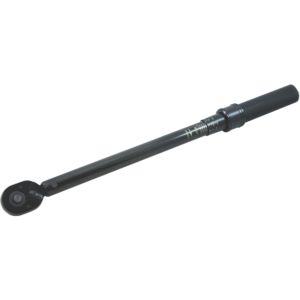
Torque wrenches in 3/8″, 1/2″, and 3/4″ drive sizes ensure accurate fastener torque to manufacturer specifications.
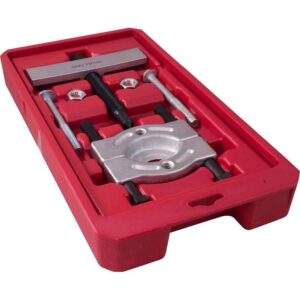
Bearing separators assist with controlled removal of bearings and press-fit components.
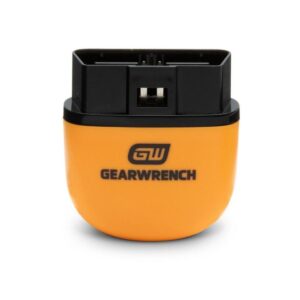
Diagnostic tools support troubleshooting and system checks.
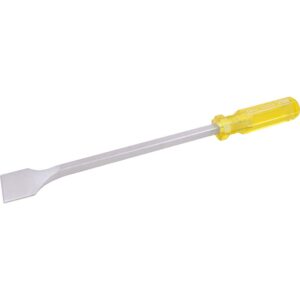
Gasket scrapers assist with surface preparation during engine and component repair.
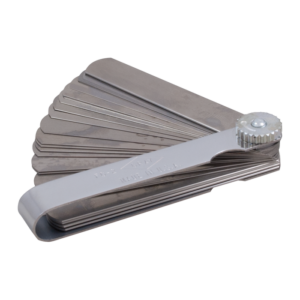
Feeler gauges measure precise clearances in mechanical assemblies.
Magnetic trays help organize and secure small fasteners during service.
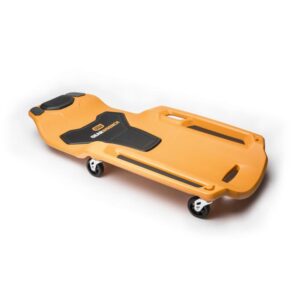
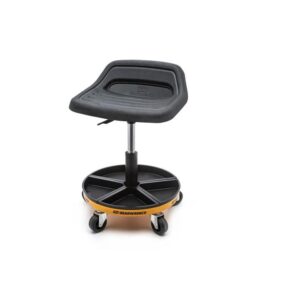
Creepers and mechanic’s seats improve access and reduce fatigue in shop environments.
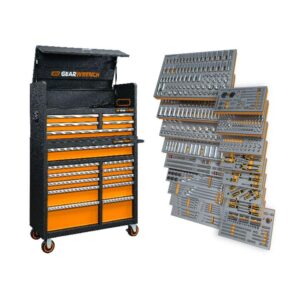
Mechanic’s tool sets provide organized coverage for specialized service tasks.
Using the correct specialty tool improves accuracy and reduces the risk of component damage.
Torque Control and Precision Measurement
Accurate torque application is critical in automotive and equipment repair. Torque wrenches help prevent over-tightening and under-tightening, protecting components and ensuring manufacturer compliance.
Feeler gauges and precision measurement tools support proper clearance checks during engine, valve, and assembly work.
Maintaining calibrated torque tools improves repeatable service performance.
Shop Efficiency and Organization
Shop support tools improve workflow and technician productivity.
Creepers provide mobility under vehicles.
Mechanic’s seats reduce strain during low-level tasks.
Magnetic trays prevent lost hardware during disassembly.
Organized mechanic’s sets reduce downtime when servicing multiple systems.
A well-equipped shop improves turnaround time and service quality.
Built for Professional Service Environments
Specialty mechanic tools are subjected to repeated torque cycles, mechanical stress, and exposure to oil, debris, and shop conditions. Professional-grade construction ensures consistent performance and durability across long-term use.
Precision tools such as torque wrenches and measuring instruments should be maintained and periodically verified for accuracy.
How Specialty Mechanic Tools Connect to Other Shop Equipment
Specialty mechanic tools are commonly used alongside socket sets, impact tools, pry bars, hex keys, gear pullers, and inspection tools across automotive and industrial repair workflows. Building a complete mechanical tool system improves service efficiency and reliability.
Specialty Mechanic Tools FAQ
Why are torque wrenches important?
Torque wrenches ensure fasteners are tightened to manufacturer specifications. Proper torque prevents component failure and improves safety. Calibration should be maintained regularly.
What drive size torque wrench should I use?
3/8″ drive is common for automotive detail work, 1/2″ drive handles higher torque applications, and 3/4″ drive is used in heavy truck and industrial environments.
What is a bearing separator used for?
Bearing separators assist in removing press-fit bearings and gears safely without damaging shafts or components. They are commonly used with pullers.
Why use magnetic trays in a shop?
Magnetic trays prevent small fasteners and components from being lost during repair. This improves organization and reduces downtime.
How often should torque wrenches be calibrated?
Calibration intervals depend on usage frequency and manufacturer guidelines. Regular verification helps maintain accuracy and compliance.