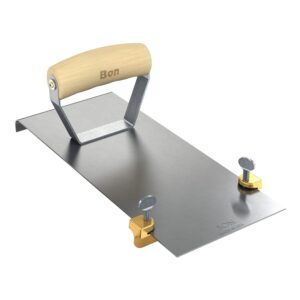
Concrete Tools and Accessories for Placing, Screeding, Finishing, and Reinforcement
Concrete tools and accessories support every stage of slab, foundation, and structural concrete work where timing, surface quality, and reinforcement accuracy are critical. From chute scrapers and concrete placers to screeds, bull floats, hand floats, trowels, edgers, groovers, and reinforcement tools, the right equipment allows crews to move efficiently from placement through finishing.
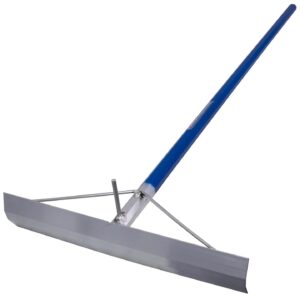
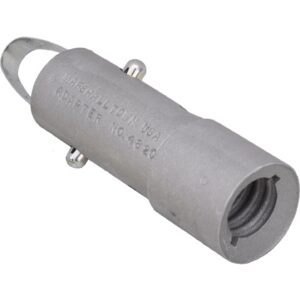
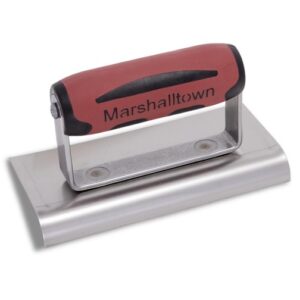
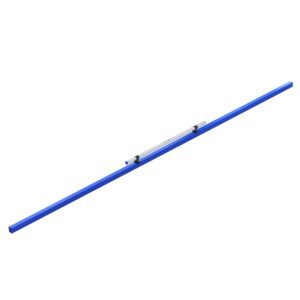
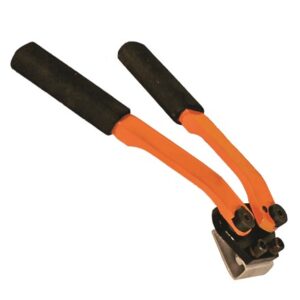
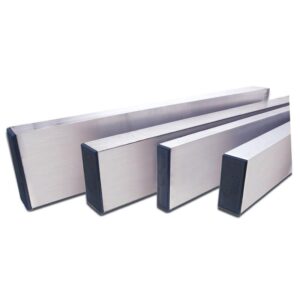
Our selection includes chute scrapers, kneeler boards, bull floats and brackets, darbys, darby handles, concrete placers and tampers, wheelbarrows, screeds, hand floats, hand trowels, edgers, groovers, rebar cutters and benders, brooms and brushes, and sprayers designed for professional jobsite use.
Types of Concrete Tools and Their Uses
Different tools support each phase of concrete work.
Concrete placers, tampers, and wheelbarrows assist with moving and positioning material.
Screeds, darbys, and bull floats level fresh concrete and prepare surfaces for finishing.
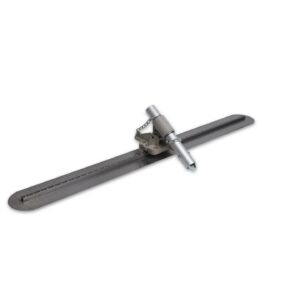
Hand floats and trowels refine surface texture and density.
Edgers and groovers create clean borders and control joints.
Brooms and brushes produce slip-resistant finishes.
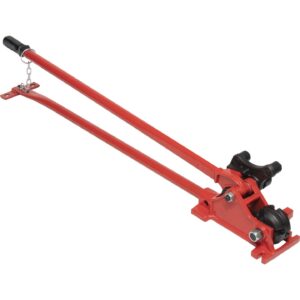
Rebar cutters and benders support reinforcement preparation before placement.
Kneeler boards and chute scrapers improve workflow efficiency during finishing.
Using the correct tools improves surface quality, structural performance, and crew productivity.
Choosing the Right Concrete Tools
Selecting concrete tools depends on slab size, finish requirements, and reinforcement needs.
Tool width influences coverage and efficiency.
Handle systems affect reach and operator fatigue.
Material construction impacts durability in abrasive environments.
Specialty tools support decorative or structural finishing requirements.
Maintaining a complete finishing and placement toolkit allows crews to move continuously through pour day without delays.
Built for Time-Sensitive Jobsite Conditions
Concrete work is schedule-driven and tools must perform consistently under heavy use. Durable finishing surfaces, reliable brackets, and strong reinforcement tools reduce rework and help crews maintain pace during placement and finishing windows.
Because finishing tools wear over time, contractors frequently replace floats, trowels, and accessories to maintain surface consistency.
How Concrete Tools Connect to Other Jobsite Supplies
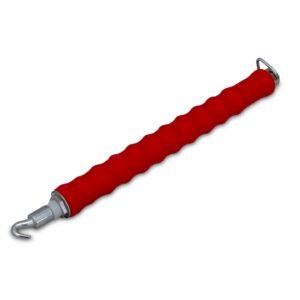
Concrete tools are commonly used alongside rebar tying tools, mixing equipment, layout tools, safety equipment, power tools, and hand tools across structural construction. Contractors often source these items together to maintain workflow continuity from reinforcement through final finishing.
Location Convenience for Concrete Supply
Contractor Cave is located in Woodstock, Ontario just minutes off Highway 401, making it convenient for concrete crews travelling between job sites across Southwestern Ontario to access finishing tools, reinforcement tools, and placement equipment without significant detours.
Concrete Tools FAQ
What concrete tools are essential for finishing?
Core finishing tools typically include screeds, floats, trowels, edgers, and groovers that support leveling and surface refinement. These tools help achieve consistent texture and structural performance. Additional tools are added depending on slab size and finish type.
What does a bull float do?
Bull floats level and smooth fresh concrete after screeding, helping bring paste to the surface and reduce imperfections. They prepare the slab for final finishing stages. Proper float timing improves surface quality.
Why are edgers and groovers important?
Edgers create clean slab borders while groovers form control joints that help manage cracking. These tools improve durability and finished appearance. Joint placement is critical for long-term performance.
When are rebar cutters and benders used?
Rebar cutters and benders are used before placement to prepare reinforcement to required lengths and shapes. Proper reinforcement positioning improves structural integrity. These tools are commonly used alongside tying tools.
How often should finishing tools be replaced?
Replacement is recommended when finishing surfaces wear, edges lose accuracy, or handles affect control. Maintaining quality tools helps ensure consistent slab finishes.