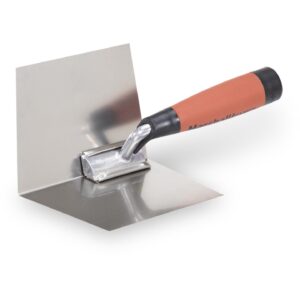
Drywall and Plastering Tools for Taping, Finishing, and Surface Preparation
Drywall and plastering tools support the finishing stages of construction where surface quality, consistency, and efficiency are critical. From mud pans and mud hawks to drywall trowels, joint knives, taping knives, mud mixers, jab saws, stilts, and T-squares, the right tools help achieve smooth finishes while reducing rework.
Designed for taping, coating, corner finishing, patching, and layout, professional drywall tools allow crews to maintain consistent results across residential, commercial, and renovation projects.
Types of Drywall and Plastering Tools and Their Uses
Different tools support each step of the finishing process.
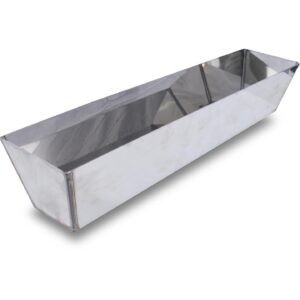
Mud pans and mud hawks hold compound during application and help maintain workflow efficiency.
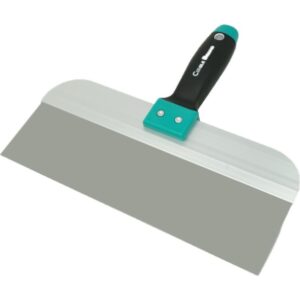
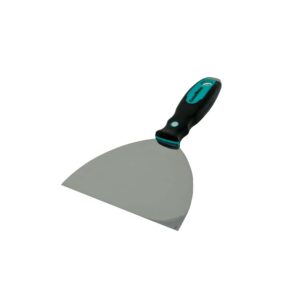
Joint knives and taping knives are used for bedding tape, applying coats, feathering seams, and finishing surfaces.
Drywall trowels support large surface smoothing and final finishing.
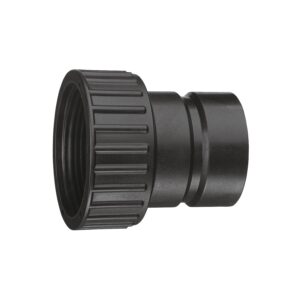
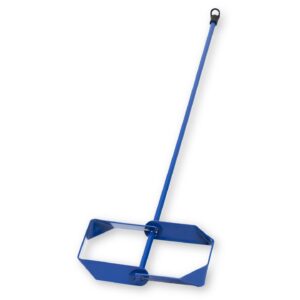
Mud mixers prepare compound for consistent application and reduced air pockets.
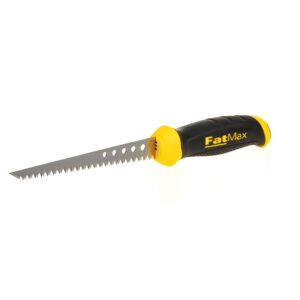
Jab saws allow quick cutouts for electrical boxes and penetrations.
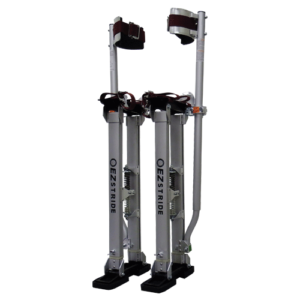
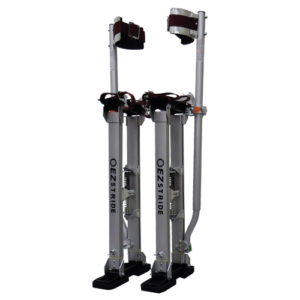
Stilts help finishers work efficiently at height across ceilings and tall walls.
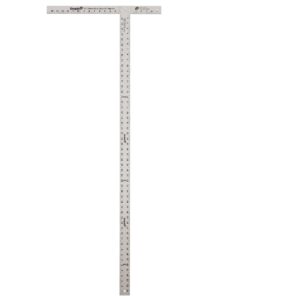
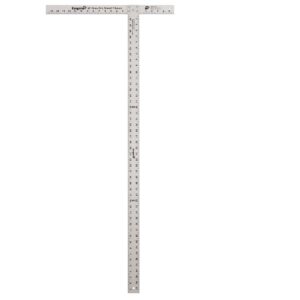
T-squares support layout, cutting accuracy, and consistent panel sizing.
Using the correct combination of tools improves finish quality and reduces sanding time.
Choosing the Right Drywall Tools
Selecting drywall tools depends on finish level, project scale, and workflow preferences.
Blade width affects coverage and feathering.
Handle design influences control during long finishing sessions.
Material construction impacts durability and cleanability.
Mixing tools help maintain consistent compound performance.
Maintaining multiple knife and trowel sizes allows crews to move efficiently between coats and surface conditions.
Built for Professional Finishing Work
Reliable drywall tools help maintain uniform surfaces while reducing fatigue and cleanup time. Professional designs improve compound control, edge consistency, and long-term durability across repeated use.
Because finishing tools are used across nearly every interior build, crews often replace core knives, mixers, and accessories as wear affects finish quality.
How Drywall Tools Connect to Other Jobsite Supplies
Drywall and plastering tools are commonly used alongside abrasives, fasteners, drywall screws, mixers, hand tools, layout tools, and safety equipment across interior finishing work. Contractors frequently source these items together to maintain workflow continuity from hanging through final finishing.
Location Convenience for Interior Finishing Supply
Contractor Cave is located in Woodstock, Ontario just minutes off Highway 401, making it convenient for finishing crews to pick up drywall and plastering tools between job sites across Southwestern Ontario. Contractors travelling through London, Kitchener-Waterloo, Cambridge, Brantford, and the western GTA can access essential finishing tools without significant detours.
Drywall and Plastering Tools FAQ
What drywall tools are essential for taping and finishing?
Core tools typically include mud pans, taping knives, joint knives, mud hawks, mixers, and sanding tools.
What size taping knife should I use?
Different sizes are used for different coats, with narrower knives for bedding and wider knives for finishing and feathering.
Are drywall trowels better than knives?
Trowels are often preferred for large surface finishing, while knives offer more control for seams and detail work.
Why use stilts for drywall work?
Stilts improve efficiency when finishing ceilings and tall walls by reducing ladder movement.
Do mud mixers improve finish quality?
Yes. Properly mixed compound applies more consistently and reduces air bubbles and surface defects.