Masonry Tools for Bricklaying, Mortar Work, and Structural Masonry
Masonry tools support bricklaying, block work, stone installation, and repair where precision, alignment, and consistent mortar application are essential. From brick trowels and tuck pointers to brick tongs, mason line blocks, joint rakers, chisels, margin trowels, and plumb lines, the right tools help masons maintain clean joints, accurate layout, and durable structures.
Designed for new construction, restoration, and detailed finishing, professional masonry tools allow crews to achieve consistent results across residential, commercial, and infrastructure projects.
Types of Masonry Tools and Their Uses
Different tools support each stage of masonry work.
Brick trowels spread and shape mortar while supporting brick placement and alignment.
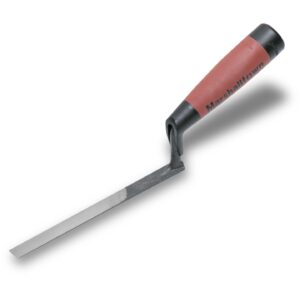
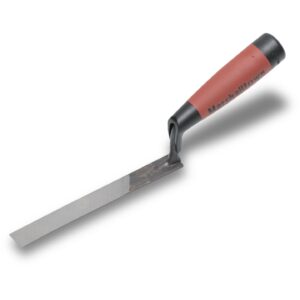
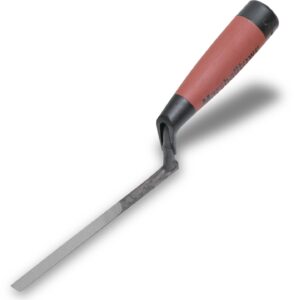
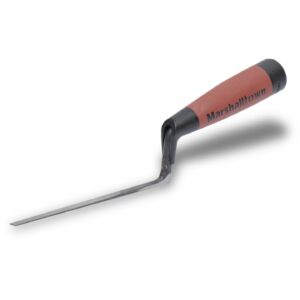
Tuck pointers and pointing tools refine joints and support repair or finishing work.
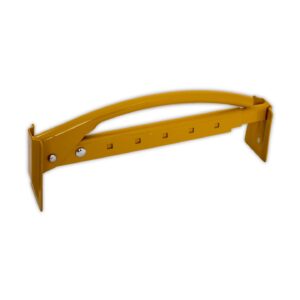
Brick tongs assist with efficient material handling on active sites.
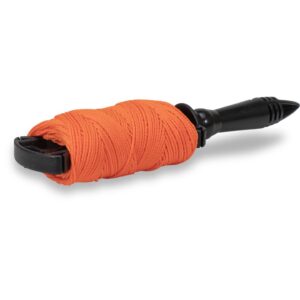
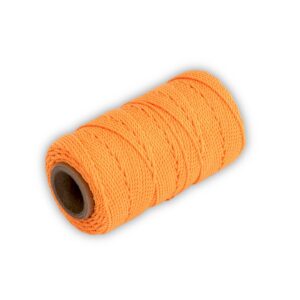
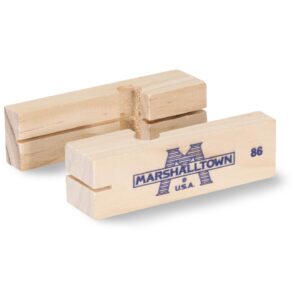
Mason line blocks and plumb lines maintain course alignment and vertical accuracy.
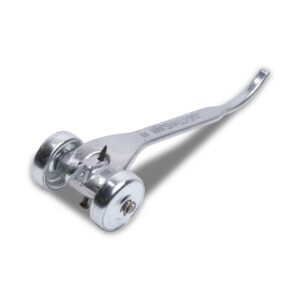
Joint rakers prepare surfaces for repointing and repair.
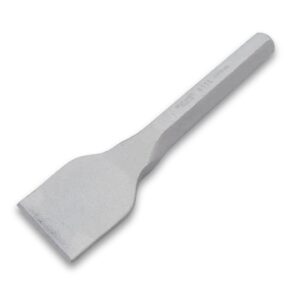
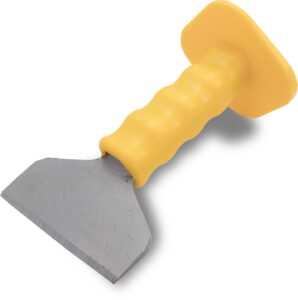
Mason’s chisels shape brick, block, and stone for precise fit.
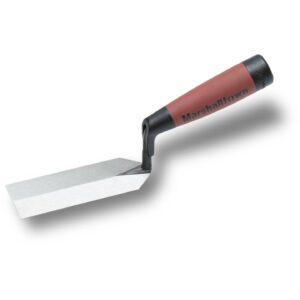
Margin trowels provide control for small areas, patching, and cleanup.
Using the correct combination of tools improves joint consistency, structural integrity, and finish quality.
Choosing the Right Masonry Tools
Selecting masonry tools depends on material type, project scale, and finish requirements.
Trowel size influences mortar coverage and control.
Tool shape affects joint style and finishing consistency.
Durable materials support repeated contact with abrasive surfaces.
Layout tools ensure consistent spacing and structural accuracy.
Maintaining a consistent masonry toolkit allows crews to move efficiently between laying, shaping, and finishing tasks.
Built for Professional Masonry Work
Masonry tools must withstand abrasive materials, repeated impact, and daily jobsite handling. Professional-grade designs maintain edge quality, alignment accuracy, and long-term durability across demanding applications.
Because finishing and shaping tools directly affect appearance and structural performance, crews often replace core trowels, chisels, and layout tools as wear affects precision.
How Masonry Tools Connect to Other Jobsite Supplies
Masonry tools are commonly used alongside concrete tools, mixing equipment, hand tools, layout tools, safety equipment, and fasteners across structural and finishing phases. Contractors frequently source these items together to maintain workflow continuity from material preparation through final finishing.
Location Convenience for Masonry Supply
Contractor Cave is located in Woodstock, Ontario just minutes off Highway 401, providing convenient access to masonry tools for crews travelling between job sites across Southwestern Ontario. Contractors moving through London, Kitchener-Waterloo, Cambridge, Brantford, and the western GTA can access bricklaying and finishing tools without significant detours.
Masonry Tools FAQ
What tools are essential for bricklaying?
Core tools include brick trowels, jointers, tuck pointers, layout lines, chisels, and material handling tools.
Why are plumb lines important in masonry?
Plumb lines help maintain vertical alignment, ensuring walls remain straight and structurally sound.
What is a tuck pointer used for?
Tuck pointers are used to apply or repair mortar in joints and tight areas.
When should masonry chisels be replaced?
Replacement is recommended when edges dull, accuracy declines, or impact damage affects performance.
Do masonry tools vary by material type?
Yes. Brick, block, and stone often require different tool shapes and cutting approaches.