Roofing Tools for Tear-Off, Installation, Cutting, and Cleanup
Roofing tools support shingle removal, surface preparation, material cutting, and jobsite cleanup where speed, safety, and consistency are essential. From roofing knives and hook blades to roofer’s spades for removing shingles and magnetic sweepers for collecting nails and metal debris, the right tools help crews maintain efficient workflow while protecting the jobsite.
Designed for residential reroofing, commercial roofing, repairs, and maintenance, professional roofing tools allow contractors to move smoothly from tear-off through final installation.
Types of Roofing Tools and Their Uses
Different tools support each stage of roofing work.
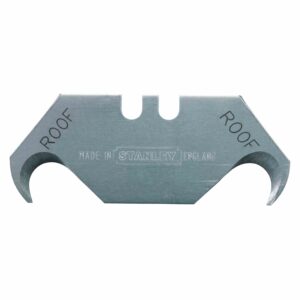
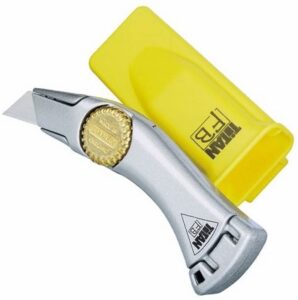
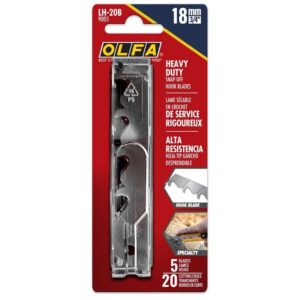
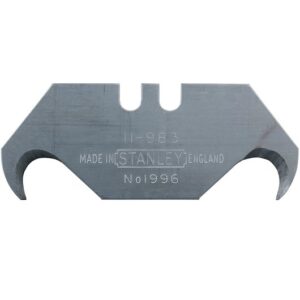
Roofing knives and hook blades provide controlled cutting of shingles, underlayment, and roofing materials.
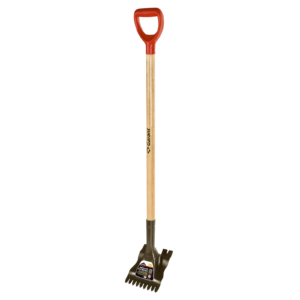
Roofer’s spades simplify shingle removal by lifting fasteners and separating material from the deck.
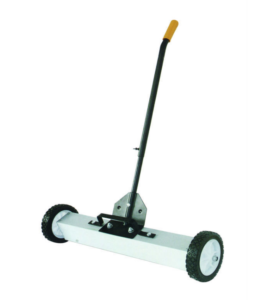
Magnetic sweepers collect nails and metal debris, helping maintain safe work areas during and after installation.
Using the correct tools improves installation speed, reduces fatigue, and supports jobsite safety.
Choosing the Right Roofing Tools
Selecting roofing tools depends on material type, job scale, and workflow preferences.
Blade style influences cutting speed and precision.
Spade design affects leverage and removal efficiency.
Magnet strength determines cleanup effectiveness across varied surfaces.
Durable construction supports repeated tear-off and installation cycles.
Keeping replacement blades and cleanup tools available helps crews avoid delays during active projects.
Built for Demanding Roofing Work
Roofing tools experience constant use and exposure to abrasive materials, weather conditions, and debris. Professional designs maintain cutting consistency, structural strength, and reliable performance across repeated jobs.
Because blades and removal tools wear quickly during tear-off, roofing crews frequently replace consumables and maintain backup tools.
How Roofing Tools Connect to Other Jobsite Supplies
Roofing tools are commonly used alongside fasteners, adhesives, sealants, safety equipment, hand tools, and cleanup equipment across roofing projects. Contractors often source these items together to maintain workflow continuity from removal through final sealing.
Location Convenience for Roofing Supply
Contractor Cave is located in Woodstock, Ontario just minutes off Highway 401, making it convenient for roofing crews travelling between job sites across Southwestern Ontario to access essential roofing tools without significant detours.
Roofing Tools FAQ
What tools are essential for roofing work?
Core roofing tools typically include roofing knives, hook blades, removal tools such as roofer’s spades, and cleanup tools like magnetic sweepers. These tools support tear-off, installation, and jobsite safety. Keeping replacement blades available helps maintain cutting efficiency.
What are hook blades used for?
Hook blades are designed to cut shingles and roofing materials from the underside without damaging surrounding surfaces. They improve control and reduce the risk of cutting too deep. Many crews keep multiple blades on hand due to frequent wear.
Why use a roofer’s spade?
A roofer’s spade helps remove shingles quickly by lifting fasteners and separating roofing material from the deck. This improves tear-off speed and reduces strain compared to manual prying. Proper spade design can significantly improve productivity.
What does a magnetic sweeper do?
Magnetic sweepers collect nails and small metal debris from jobsite surfaces after tear-off and installation. This improves safety for crews, property owners, and surrounding areas. Sweepers are commonly used both during and after roofing projects.
When should roofing blades be replaced?
Blades should be replaced when cutting becomes difficult, edges tear material, or precision declines. Sharp blades improve efficiency and reduce fatigue. Keeping replacement blades available prevents workflow interruptions.