Gear Pullers for Bearing, Pulley, and Component Removal
Gear pullers are designed for controlled removal of gears, bearings, pulleys, hubs, and press-fit components in automotive, heavy equipment, and industrial repair environments. These tools apply even pulling force to remove components without damaging shafts or surrounding assemblies.
Our selection currently includes multiple styles of gear pullers from Gray Tools, built for professional mechanical service and repeated high-load use.
Types of Gear Pullers and Their Uses
Different puller styles support different removal scenarios.
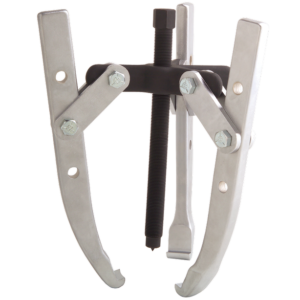
Two-jaw pullers are commonly used when access is limited or when pulling smaller components.
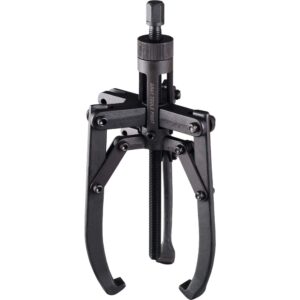
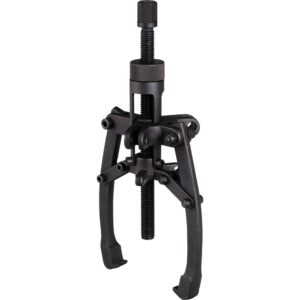
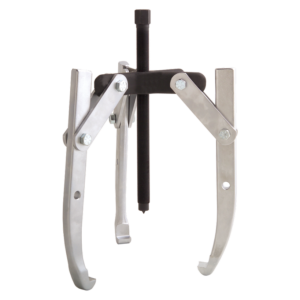
Three-jaw pullers provide more balanced force distribution for centered removal.
Adjustable pullers allow flexibility across varying component sizes.
Reversible jaw designs increase application range.
Using the correct puller reduces the risk of shaft damage and uneven force application.
Choosing the Right Gear Puller
Selection depends on component size, accessibility, and required pulling force.
Jaw reach determines how deep the puller can engage.
Spread capacity affects the range of component diameters supported.
Thread strength and frame construction influence load durability.
Balanced force application improves removal safety.
Matching puller capacity to application prevents tool stress and component damage.
Built for Professional Mechanical Service
Gear pullers operate under high tension and must withstand significant force without deformation. Professional-grade construction ensures consistent alignment, smooth screw operation, and long service life in shop environments.
Because improper removal can damage expensive components, technicians rely on quality pullers for repeatable, controlled extraction.
How Gear Pullers Connect to Other Shop Tools
Gear pullers are commonly used alongside socket sets, impact tools, breaker bars, torque wrenches, and bearing installation tools across automotive and industrial repair workflows. Maintaining a complete mechanical tool system improves service efficiency.
Gear Pullers FAQ
What is a gear puller used for?
Gear pullers are used to remove press-fit components such as gears, bearings, pulleys, and hubs from shafts. They apply controlled force to prevent damage during removal. Proper alignment is critical.
What is the difference between 2-jaw and 3-jaw pullers?
Two-jaw pullers are useful in tighter spaces, while three-jaw pullers provide more even force distribution and improved stability. Three-jaw models are often preferred for centered pulls.
How do I choose the right size puller?
Choose a puller based on jaw reach, spread capacity, and required pulling force. The tool must safely accommodate the component diameter and depth.
Can gear pullers be used with impact tools?
Most gear pullers are designed for controlled manual force. Impact use should only be applied if manufacturer guidelines allow it. Excessive force can damage threads.
Why is even pulling force important?
Uneven force can damage shafts, crack components, or cause misalignment. Proper puller selection and setup reduce these risks.