Threading Accessories for Thread Cutting, Repair, and Precision Fastening
Threading accessories support internal and external thread cutting, repair, and restoration across automotive repair, machinery service, fabrication, and industrial maintenance environments. From individual taps and dies to complete sets and drill-and-tap combinations, these tools allow technicians to create or restore threads accurately and efficiently.
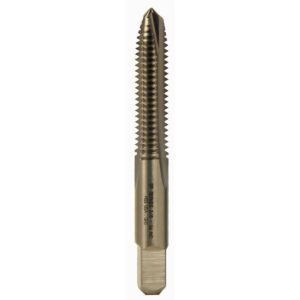
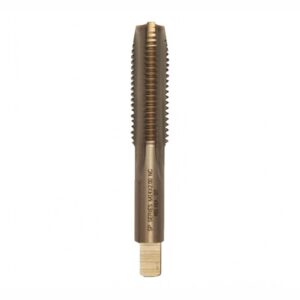
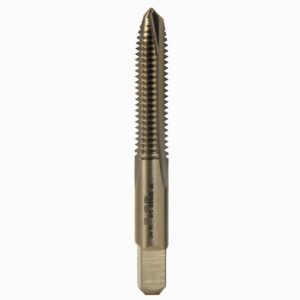
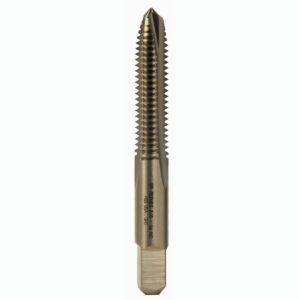
Our selection includes high-quality Norseman taps and dies in metric and SAE sizes, available in coarse and fine thread configurations, along with tap and die sets, drill and tap sets, tap handles, die handles, and extractor/drill combinations.
Types of Threading Tools and Their Uses
Different threading tools support different thread operations.
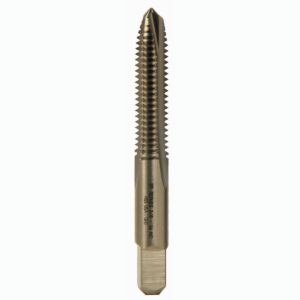
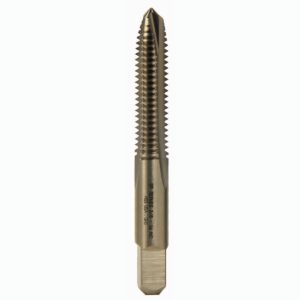
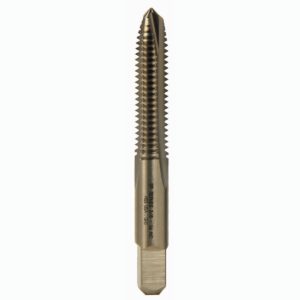
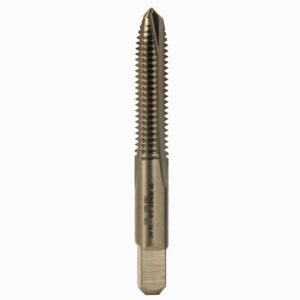
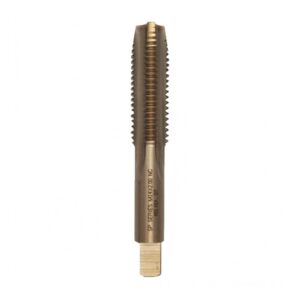
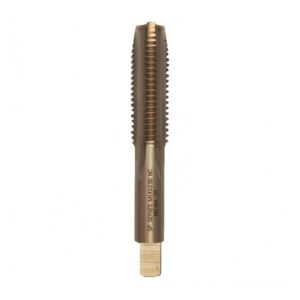
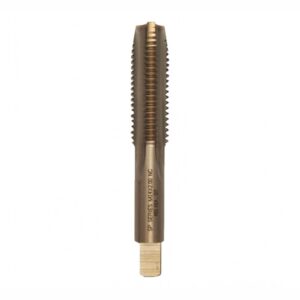
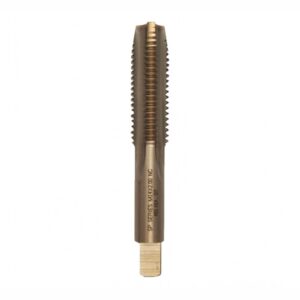
Taps cut internal threads inside drilled holes.
Dies cut external threads on bolts and rod.
Tap and die sets provide complete coverage for common thread sizes.
Drill and tap sets combine drilling and threading operations in matched sizes.
Tap handles and die stocks provide controlled manual operation.
Extractor and drill combinations assist in removing broken fasteners and restoring threads.
Using the correct thread pitch and size ensures proper fastener engagement.
Metric vs SAE and Coarse vs Fine Threads
Thread systems vary depending on application and equipment origin.
Metric threads are common in automotive, industrial, and imported machinery.
SAE threads are widely used in North American equipment.
Coarse threads are typically used in softer materials and general fastening.
Fine threads provide greater holding strength and are common in precision assemblies.
Maintaining both metric and SAE systems improves compatibility across varied equipment.
Choosing the Right Threading Tool
Selection depends on material type, thread size, and repair requirements.
Correct drill size is critical before tapping internal threads.
High-speed steel construction improves durability.
Proper lubrication reduces heat and improves thread finish.
Matching thread pitch prevents cross-threading and component damage.
Precision machining improves clean thread formation and tool longevity.
Built for Professional Precision
Threading tools require dimensional accuracy and hardened cutting edges to maintain consistent thread profiles. Professional-grade construction ensures repeatable performance during thread cutting and repair operations.
Because taps and dies experience wear over time, replacing worn tools helps maintain thread accuracy and reduce breakage risk.
How Threading Accessories Connect to Other Shop Tools
Threading tools are commonly used alongside drill bits, cutting lubricants, extractors, torque wrenches, and mechanical service tools across automotive and industrial workflows. Proper thread preparation improves fastening reliability and safety.
Threading Accessories FAQ
What is the difference between a tap and a die?
A tap cuts internal threads inside a hole, while a die cuts external threads on bolts or rod.
What is the difference between coarse and fine thread?
Coarse threads are more common in general applications and softer materials. Fine threads provide increased holding strength and are often used in precision assemblies.
Should I choose metric or SAE taps and dies?
Thread type depends on equipment and fastener standards. Many professionals maintain both metric and SAE sets for compatibility.
Why is the correct drill size important before tapping?
Using the correct drill size ensures proper thread depth and reduces tap breakage risk.
What are extractor and drill combinations used for?
Extractor and drill combinations assist in removing broken fasteners and restoring damaged threads.