Hand Tools for Construction, Concrete, Electrical, Mechanical, and Finishing Work
Hand tools support nearly every stage of construction, repair, and installation where control, precision, and reliability are essential. From concrete hand tools and woodworking tools to electrical, plumbing, drywall, roofing, and metalworking tools, dependable hand tools allow trades to complete detailed tasks that power equipment alone cannot handle.
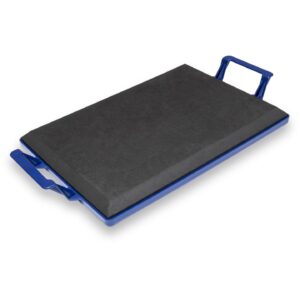
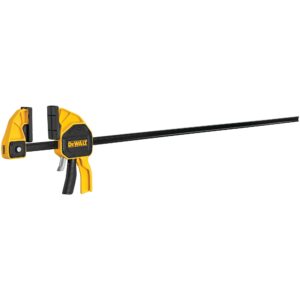
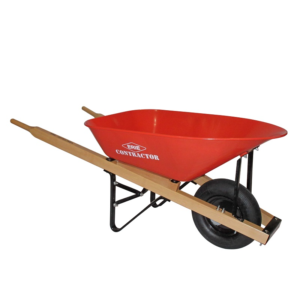
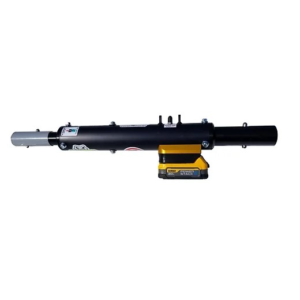
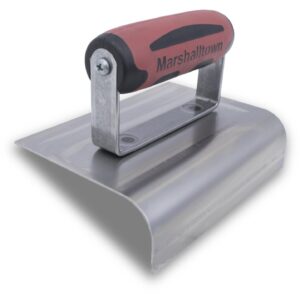
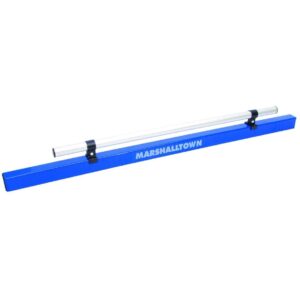
Our hand tools selection includes screeds, rebar tiers, stake pullers, rebar benders, concrete spreaders, float handles, trowels, floats, edgers, brushes, sprayers, knee boards, chisels, clamps, wire tools, electrical testers, conduit benders, cable cutters, fish tapes, metal files, punches, bull pins, drywall stilts, mud hawks, taping knives, digging tools, roofing tools, siding tools, plumbing cutters, masonry tools, hammers, pry bars, nail pullers, utility knives, snips, caulking guns, hand staplers, sausage guns, jab saws, and more from professional brands including Klein Tools and Malco.
Hand Tools by Trade and Application
Different trades rely on specialized hand tools to maintain accuracy and productivity.
Concrete crews use screeds, spreaders, floats, edgers, chute scrapers, and finishing tools to shape and finish slabs.
Electrical professionals depend on wire tools, testers, conduit benders, cable cutters, and fish tapes for installation and troubleshooting.
Woodworking and carpentry tasks rely on chisels, clamps, hand saws, and layout tools.
Metalworking applications use files, punches, reamers, snips, and cutting tools for fabrication and repair.
Drywall installation requires stilts, mud hawks, taping knives, and finishing tools.
Digging and site preparation use bars, mattocks, picks, and striking tools.
Roofing and siding crews use seamers, folding tools, J-channel cutters, and layout tools.
Plumbing work relies on pipe wrenches and specialized cutters for copper, PEX, and ABS.
Masonry and bricklaying depend on brick trowels, jointers, string lines, line blocks, and tuck pointing tools.
Choosing the Right Hand Tools
Selecting hand tools depends on task frequency, material type, ergonomics, and durability requirements.
Grip design affects comfort during repetitive work.
Material construction influences longevity and performance under load.
Tool geometry impacts precision and finish quality.
Trade-specific features improve efficiency and reduce fatigue.
Maintaining a consistent set of reliable hand tools helps crews move between phases without workflow interruptions.
Built for Daily Jobsite Use
Hand tools experience constant use across projects, making durability and consistency critical. Professional-grade designs reduce breakage, maintain accuracy, and support repeated use in demanding environments.
Because many hand tools are used across multiple trades, crews often expand or replace core tools as projects evolve and tasks shift.
How Hand Tools Connect to Other Jobsite Supplies
Hand tools work alongside power tools, fasteners, layout tools, safety equipment, and consumables across nearly every job phase. Contractors frequently source hand tools together with fastening supplies, blades, bits, adhesives, and measuring equipment to maintain workflow continuity from rough-in through finishing.
Location Convenience for Jobsite Supply
Contractor Cave is located in Woodstock, Ontario just minutes off Highway 401, providing convenient access to professional hand tools for crews travelling between job sites across Southwestern Ontario. Contractors moving through London, Kitchener-Waterloo, Cambridge, Brantford, and the western GTA can pick up specialized trade tools without significant detours.
Hand Tools FAQ
What hand tools are most essential for contractors?
Core hand tools typically include hammers, pry bars, utility knives, snips, layout tools, fastening tools, and trade-specific specialty tools.
How do I choose professional hand tools?
Look for durable materials, ergonomic design, replaceable components, and tools built specifically for your trade applications.
Are trade-specific tools worth it?
Yes. Tools designed for specific trades often improve speed, precision, and long-term durability.
When should hand tools be replaced?
Replacement is recommended when tools lose accuracy, develop structural damage, or reduce efficiency during repeated use.
Do hand tools vary by material type?
Yes. Different materials such as concrete, wood, metal, and drywall require tools designed for their specific handling and finishing characteristics.