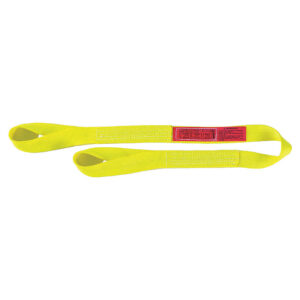
Lifting Slings for Material Handling, Rigging, and Jobsite Lifting
Lifting slings support safe material handling across construction, framing, fabrication, and industrial environments where controlled lifting and load stability are essential. From moving lumber and wall panels to positioning structural components and equipment, lifting slings help crews manage heavy loads efficiently while reducing damage risk.
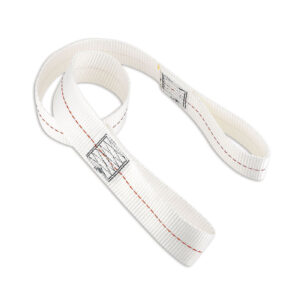
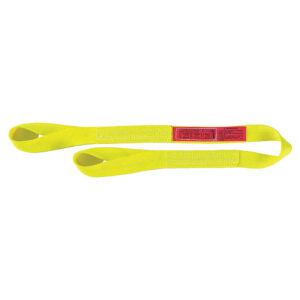
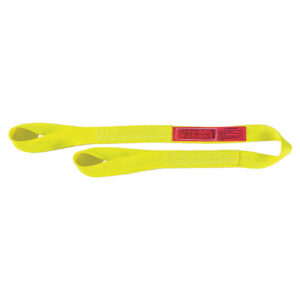
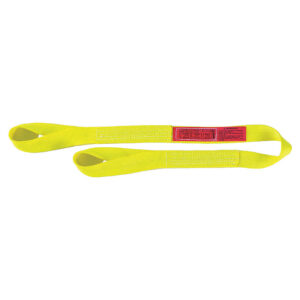
Our selection includes multiple sizes of lifting slings, including Ben-Mor slings designed for durability, visibility, and reliable load support across jobsite lifting tasks.
Types of Lifting Slings and Their Uses
Different sling styles support different lifting scenarios.
General-purpose lifting slings support moving bundled materials, equipment, and structural components.
Soft slings help protect finished surfaces and reduce load marking.
Multiple sling lengths allow crews to adapt to different lifting heights and load sizes.
Using the correct sling improves load balance and lifting control.
Choosing the Right Lifting Sling
Selecting lifting slings depends on load weight, lift configuration, and attachment points.
Sling length affects lift angle and load positioning.
Material construction influences durability and surface protection.
Working load limits must match lifting requirements.
Visibility improves safety during positioning.
Maintaining a range of sling sizes allows crews to adapt to varied lifting tasks across projects.
Built for Safety-Critical Jobsite Use
Lifting slings are used in environments where reliability directly impacts safety. Durable construction and proper inspection practices help ensure consistent performance during repeated lifts.
Because slings experience wear from abrasion and load stress, regular inspection and replacement are recommended to maintain safe lifting conditions.
How Lifting Slings Connect to Other Jobsite Supplies
Lifting slings are commonly used alongside rigging hardware, material handling equipment, construction tools, and safety gear across structural and framing workflows. Contractors often source these items together to support efficient site logistics.
Lifting Slings FAQ
What are lifting slings used for?
Lifting slings are used to move materials, equipment, and structural components safely using cranes, forklifts, or hoists. They help distribute load weight and improve lifting control. Proper sling selection reduces damage risk.
How do I choose the right sling size?
Sling size should match the load weight, lift configuration, and attachment points. Working load limits must always be followed. Using the correct length improves lift stability.
Why are soft slings used?
Soft slings help protect finished materials and reduce surface damage during lifting. They are commonly used for lumber, panels, and coated components. This improves material handling quality.
How often should lifting slings be inspected?
Slings should be inspected before use and replaced if cuts, fraying, or damage are present. Regular inspection helps maintain safe lifting practices. Manufacturer guidelines should be followed.
Can lifting slings be reused long term?
Yes, but only if they remain within working load limits and show no signs of damage. Wear from abrasion and load stress should be monitored closely. Replacement is recommended when integrity declines.