Wrenches for Automotive, Fleet, and Industrial Service Work
Wrenches provide controlled torque for fastening and removal tasks across automotive repair, heavy equipment service, industrial maintenance, and mechanical assembly. From combination wrenches to ratcheting models and adjustable wrenches, professional-grade wrench systems support efficient, repeatable performance under load.
Our selection includes metric and SAE combination wrenches in individual sizes and sets, ratcheting combination wrenches, and adjustable wrenches from Dynamic, Milwaukee, Wera, and GearWrench.
Types of Wrenches and Their Uses
Different wrench styles support different applications.
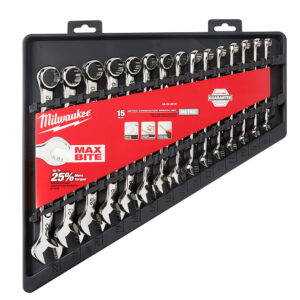
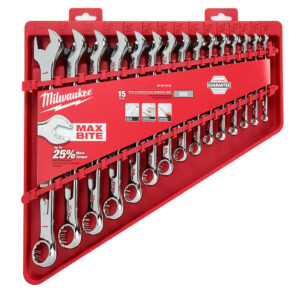
Combination wrenches feature an open-end and box-end for versatility across general service tasks.
Ratcheting combination wrenches allow faster operation in tight spaces without repositioning.
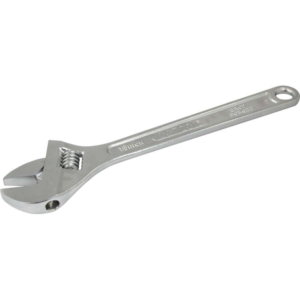
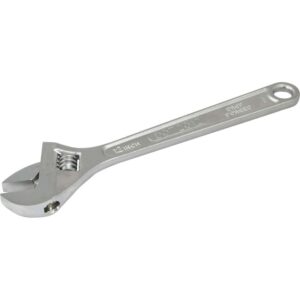
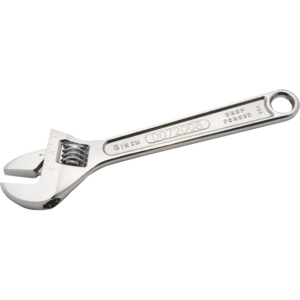
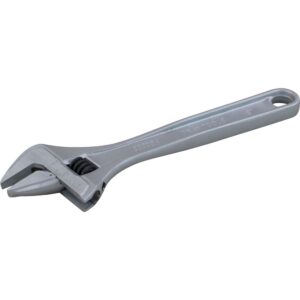
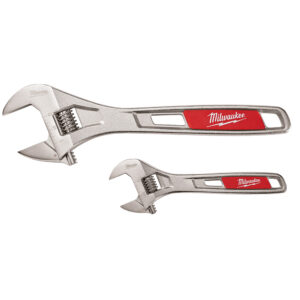
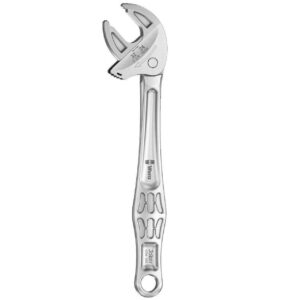
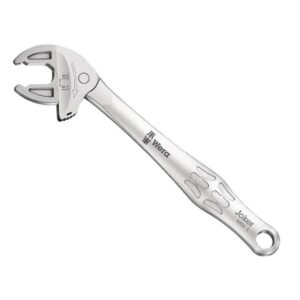
Adjustable wrenches provide flexibility when fastener size varies.
Complete wrench sets ensure coverage across full metric and SAE systems.
Using the correct wrench improves fastener engagement and reduces rounding.
Metric vs SAE Wrench Systems
Fastener sizing depends on equipment origin and application.
Metric wrenches are commonly used in automotive, industrial, and imported machinery.
SAE wrenches are typically used in North American equipment and legacy systems.
Maintaining both systems improves compatibility across mixed fleets and equipment environments.
Choosing the Right Wrench
Selection depends on torque requirements, access space, and fastener type.
Box-end design influences grip strength under load.
Ratcheting mechanisms improve speed during repetitive tasks.
Forged construction enhances durability.
Precision machining improves fastener contact and reduces slippage.
Matching wrench size and design to the task improves safety and efficiency.
Built for High-Torque Professional Use
Wrenches operate under repeated torque cycles and mechanical stress. Professional-grade models use hardened and forged steel construction to maintain strength and dimensional accuracy over time.
Because worn wrench jaws increase the risk of fastener damage, high-use sizes are often replaced in professional environments.
How Wrenches Connect to Other Shop Tools
Wrenches are commonly used alongside socket sets, torque wrenches, pliers, impact tools, and specialty mechanic tools across automotive and industrial repair workflows. They are foundational components of any mechanical tool system.
Wrenches FAQ
What is a combination wrench?
A combination wrench has an open-end on one side and a box-end on the other, allowing flexibility in fastening and removal tasks.
What are ratcheting combination wrenches used for?
Ratcheting wrenches allow faster operation in tight spaces without removing and repositioning the tool after each turn. They improve efficiency in repetitive tasks.
Should I buy metric or SAE wrenches?
Metric and SAE systems correspond to different fastener standards. Many professionals maintain both sets to ensure compatibility.
What is an adjustable wrench used for?
Adjustable wrenches are used when fastener sizes vary or when carrying a full set is not practical. They provide versatility but should match fastener size closely to avoid rounding.
When should a wrench be replaced?
Replacement is recommended if jaws spread, edges round off, or slippage occurs under load. Proper tool condition improves fastener protection.