Striking and Cutting Tools for Demolition, Carpentry, Fabrication, and General Construction
Striking and cutting tools support demolition, shaping, trimming, and installation tasks where controlled force and precise cutting are essential. From framing hammers and sledgehammers to chisels, punches, pry bars, utility knives, saws, snips, and specialty shaping tools, these tools allow crews to work across materials including wood, metal, drywall, concrete, and glass.
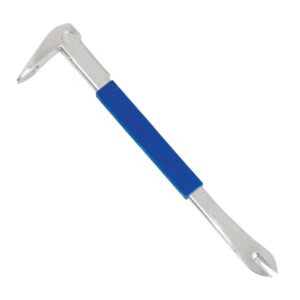
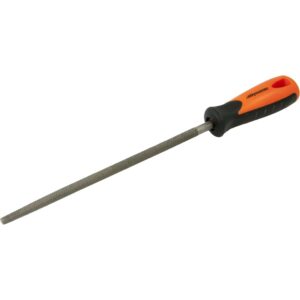
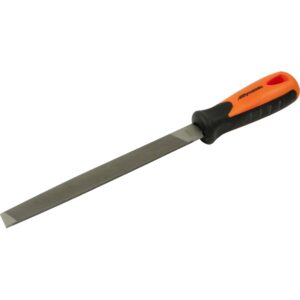
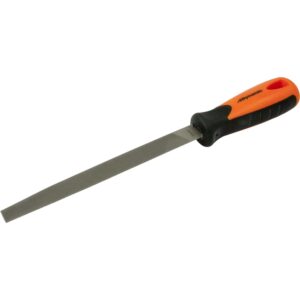
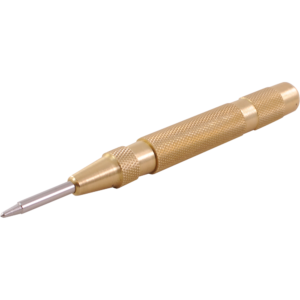
Our selection includes framing hammers, claw hammers, sledge hammers, ball pein hammers, soft face hammers, nail pullers, files, punches, chisels, utility knives, replacement knife blades, flush cutters, jab saws, mitre snips, coping saws and blades, picks, hatchets, bull pins, nail sets, hacksaws and replacement blades, pry bars, and glass scrapers designed for professional jobsite use.
Types of Striking and Cutting Tools and Their Uses
Different tools support different material and task requirements.
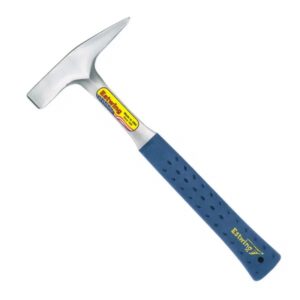
Framing hammers and striking tools drive fasteners and support demolition work.
Sledgehammers provide heavy impact for breaking, removal, and structural adjustments.
Ball pein hammers support metalworking and shaping tasks.
Soft face hammers reduce surface damage during assembly.
Chisels, punches, and files shape materials and prepare surfaces.
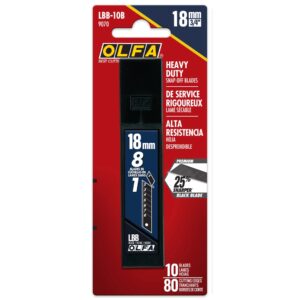
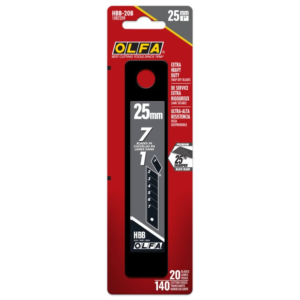
Utility knives and replacement blades provide controlled cutting across multiple materials.
Jab saws, coping saws, hacksaws, and snips support detail cutting and material trimming.
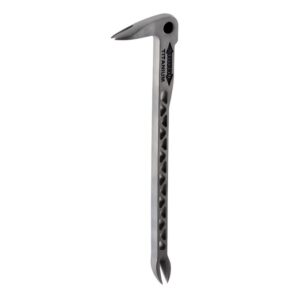
Pry bars and nail pullers assist with removal and adjustment tasks.
Bull pins help align structural components during installation.
Using the correct tool improves efficiency, reduces material damage, and supports safer workflow.
Choosing the Right Striking and Cutting Tools
Selecting tools depends on material type, force requirements, and precision needs.
Tool weight influences impact force and fatigue.
Blade and edge design affect cutting accuracy and durability.
Handle design improves control and comfort during repetitive tasks.
Replaceable components extend tool lifespan.
Maintaining a range of striking and cutting tools allows crews to adapt quickly across changing jobsite conditions.
Built for High-Impact Jobsite Use
Striking and cutting tools experience constant stress from impact, abrasion, and repeated handling. Professional-grade construction helps maintain edge quality, structural integrity, and consistent performance across demanding applications.
Because blades, edges, and striking surfaces wear over time, crews often replace consumable components and upgrade core tools as performance declines.
How Striking and Cutting Tools Connect to Other Jobsite Supplies
Striking and cutting tools are commonly used alongside fasteners, hand tools, power tools, abrasives, safety equipment, and layout tools across nearly every construction phase. Contractors frequently source these items together to maintain workflow continuity from demolition through finishing.
Location Convenience for Jobsite Supply
Contractor Cave is located in Woodstock, Ontario just minutes off Highway 401, providing convenient access to striking and cutting tools for crews travelling between job sites across Southwestern Ontario.
Striking and Cutting Tools FAQ
What striking and cutting tools are most essential?
Core tools typically include hammers, pry bars, chisels, punches, knives, and saws that support demolition, shaping, and installation tasks. These tools allow crews to work across multiple materials efficiently. Keeping replacement blades available helps maintain cutting performance.
When should utility knife blades be replaced?
Blades should be replaced when cutting becomes difficult, materials tear, or precision declines. Sharp blades improve safety and reduce fatigue. Frequent replacement is common in high-volume cutting work.
What is the difference between framing hammers and ball pein hammers?
Framing hammers are designed for driving fasteners and general construction, while ball pein hammers are used primarily for metalworking and shaping tasks. Each tool supports different material requirements. Many crews carry both for versatility.
Why use soft face hammers?
Soft face hammers allow controlled impact without damaging finished surfaces or components. They are commonly used during assembly, installation, and adjustment work. This helps reduce rework and surface repairs.
What are bull pins used for?
Bull pins help align structural steel, heavy components, and connection points during installation. They allow crews to position materials accurately before fastening. This improves efficiency during structural work.