Metal Cutting Tools and Abrasives for Fabrication, Steel Work, and Industrial Applications
Metal cutting tools support fabrication, welding preparation, structural steel work, mechanical service, and industrial maintenance where clean, controlled cuts are critical. From abrasive wheels to carbide tooth blades and specialty band saw blades, professional-grade cutting tools help crews maintain speed, accuracy, and material control across varied metal types.
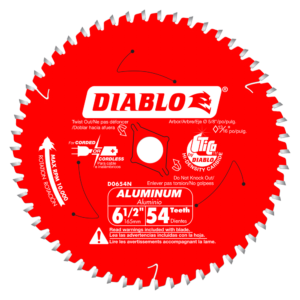
Our selection includes circular saw blades in both abrasive and tooth designs, portable band saw blades, grinding wheels, cut-off wheels, oscillating blades, diamond blades for metal, and cutting lubricants from MK Morse, Walter, Pearl, DEWALT, Diablo, and Milwaukee.
Types of Metal Cutting Tools and Their Uses
Different tools are engineered for specific cutting environments.
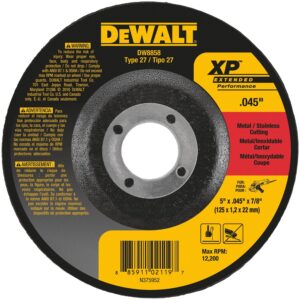
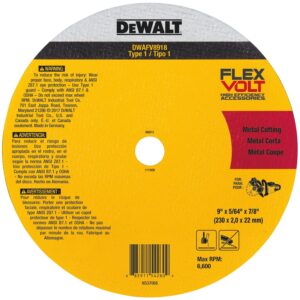
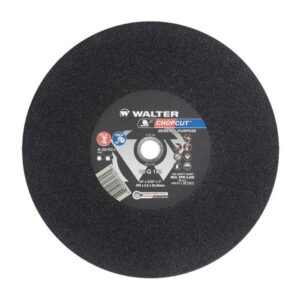
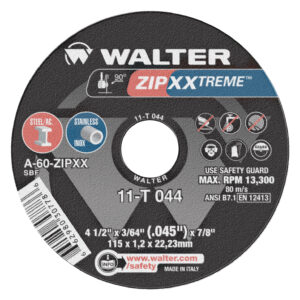
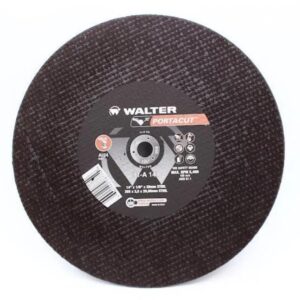
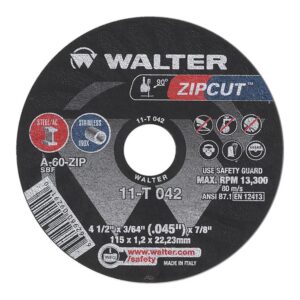
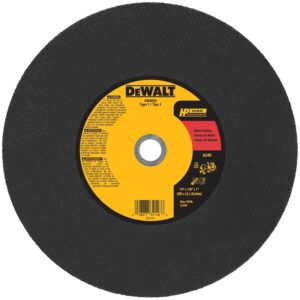
Abrasive circular saw blades and cut-off wheels provide fast cutting of structural steel and heavy material.
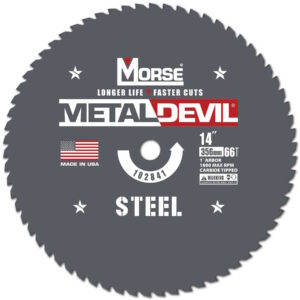
Carbide tooth metal cutting blades deliver cleaner cuts with reduced burr formation and lower heat buildup.
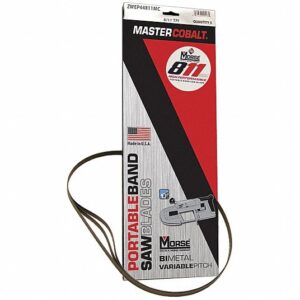
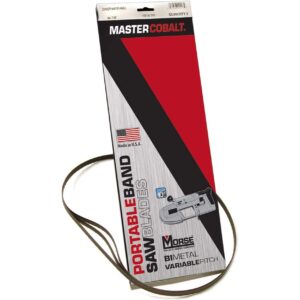
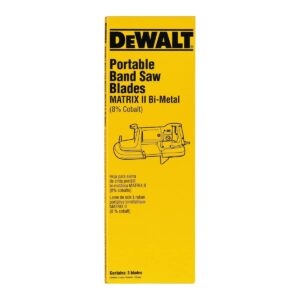
Portable band saw blades allow controlled cutting of pipe, rod, strut, and structural material.
Grinding wheels support edge preparation and material shaping.
Oscillating blades assist with precision cuts in confined spaces.
Diamond blades designed for metal provide extended life in demanding applications.
Cutting lubricants reduce heat and improve blade performance during repetitive cutting.
Using the correct tool improves finish quality and extends equipment life.
Choosing the Right Metal Cutting Tool
Selection depends on material type, thickness, and equipment compatibility.
Abrasive tools are suited for high-speed, heavy cutting applications.
Carbide tooth blades are preferred when clean, burr-reduced cuts are required.
Band saw blades offer controlled, lower-spark cutting.
Diamond blades are used for longevity in abrasive or hardened materials.
Cutting lubricants reduce friction and extend blade life.
Matching blade or wheel design to material improves efficiency and safety.
Built for Demanding Shop and Jobsite Conditions
Metal cutting tools operate under high heat, friction, and rotational stress. Professional-grade abrasives and blades are engineered for durability, heat resistance, and consistent cutting performance across repeated cycles.
Because metal cutting tools wear during operation, regular inspection and replacement maintain safety and productivity.
How Metal Cutting Connects to Other Shop Equipment
Metal cutting tools are commonly used alongside grinders, saws, clamping tools, layout tools, welders, and fabrication equipment. Accurate cutting improves fit-up, weld quality, and installation precision across industrial and construction workflows.
Metal Cutting FAQ
What is the difference between abrasive and carbide tooth metal blades?
Abrasive blades grind through material and are suited for heavy-duty cutting. Carbide tooth blades cut with precision teeth, producing cleaner edges and less heat.
When should I use a portable band saw blade?
Portable band saw blades are used for controlled cutting of pipe, rod, strut, and structural steel. They are preferred when accuracy and reduced spark generation are important.
What are diamond blades for metal used for?
Diamond blades designed for metal provide extended life in abrasive or hardened materials. They are used in demanding industrial cutting applications.
Why use cutting lubricant?
Cutting lubricants reduce heat buildup, improve blade performance, and extend cutting tool life during repetitive operations.
How often should metal cutting wheels be replaced?
Replacement is recommended when cutting performance declines or when wear reaches manufacturer limits. Safe operation depends on proper wheel condition.