Metal Drilling Tools for Fabrication, Structural Steel, and Industrial Service
Metal drilling tools support fabrication, structural steel work, equipment repair, mechanical installation, and industrial maintenance where precision hole creation is critical. From high-speed drill bits to annular cutters and carbide hole cutters, professional-grade drilling tools ensure clean holes, controlled cutting, and extended tool life in steel and other metals.
Our selection includes Norseman, DEWALT, and Milwaukee metal drilling tools, including individual drill bits, multi-packs, drill bit sets, step bits, metal countersinks, cutting oil, annular cutters in 1″ and 2″ cutting depths, carbide-tipped hole cutters, car reamers, step reamers, and 4-flute hole hawgs.
Types of Metal Drilling Tools and Their Uses
Different drilling tools are designed for specific materials and hole requirements.
High-speed steel drill bits are used for general metal drilling.
Drill bit sets provide coverage across common sizes for shop and field work.
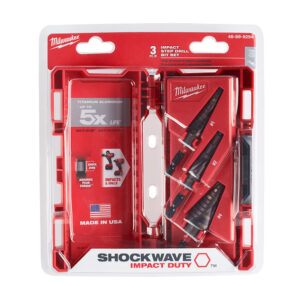
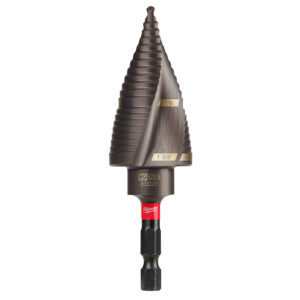
Step bits allow clean enlargement of thin metal and sheet material.
Countersinks create chamfers for flush fastener installation.
Annular cutters remove a ring of material rather than the full core, improving efficiency in structural steel.
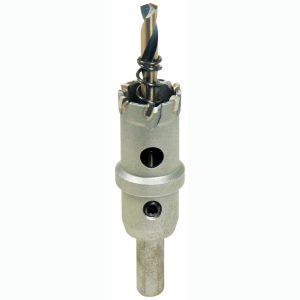
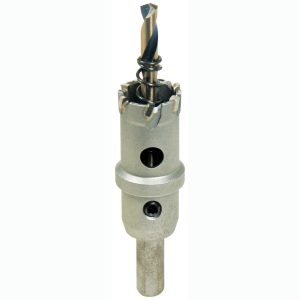
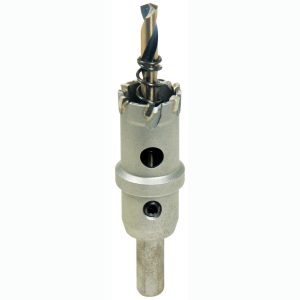
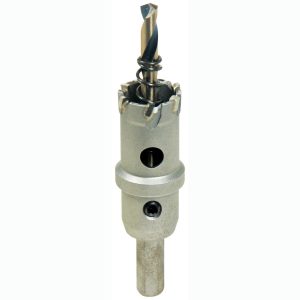
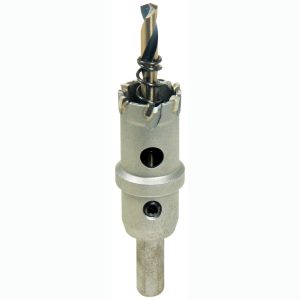
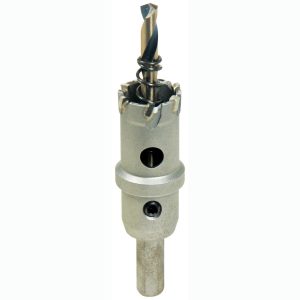
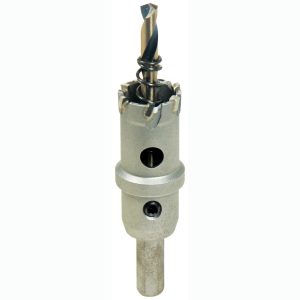
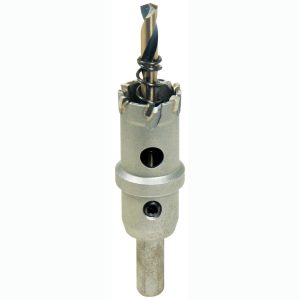
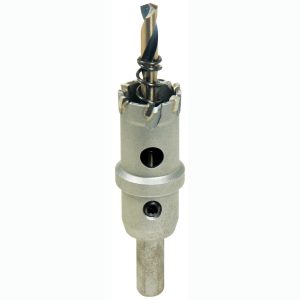
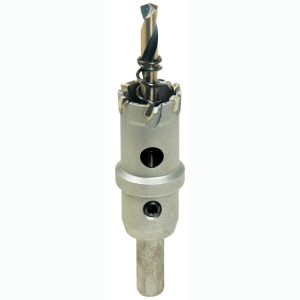
Carbide-tipped hole cutters provide durability in thicker or harder materials.
Reamers refine hole size and improve dimensional accuracy.
4-flute hole hawgs are used for larger diameter holes in structural applications.
Using the correct tool improves hole accuracy and reduces heat buildup.
Annular Cutters and Structural Steel Drilling
Annular cutters are commonly used with magnetic drill systems in structural steel environments.
Available in 1″ and 2″ cutting depths, they reduce material removal load and increase cutting speed.
Proper coolant or cutting oil improves tool life and performance.
Matching cutter depth and diameter to the application improves efficiency.
The Role of Cutting Oil and Lubrication
Cutting oil reduces friction, dissipates heat, and improves chip evacuation during drilling operations. Proper lubrication extends bit life and improves hole finish quality.
In high-load or repetitive drilling environments, lubrication is critical for performance and safety.
Choosing the Right Metal Drill Bit
Selection depends on material hardness, hole diameter, and required precision.
High-speed steel bits suit general-purpose steel drilling.
Carbide options provide extended durability in hardened materials.
Step bits are ideal for electrical and sheet metal applications.
Reamers are used when precise diameter finishing is required.
Correct RPM and feed pressure improve performance and reduce premature wear.
Built for Industrial Performance
Metal drilling tools operate under high rotational speed and friction. Professional-grade manufacturing ensures dimensional accuracy, hardened cutting edges, and consistent performance across repeated cycles.
Because drill bits and cutters wear over time, inspection and timely replacement maintain hole quality and safety.
How Metal Drilling Connects to Other Shop Tools
Metal drilling tools are commonly used alongside threading accessories, cutting tools, clamping systems, welders, and layout tools in fabrication and industrial workflows. Accurate drilling improves fastening reliability and structural integrity.
Metal Drilling FAQ
What is the difference between a drill bit and an annular cutter?
A drill bit removes the full material core, while an annular cutter removes only the outer ring of material. Annular cutters are more efficient for larger diameter holes in steel.
When should I use a step bit?
Step bits are ideal for drilling or enlarging holes in thin sheet metal and electrical panels.
What is a countersink used for?
Countersinks create a chamfered edge that allows flat-head fasteners to sit flush with the material surface.
Why is cutting oil important?
Cutting oil reduces heat and friction, extending tool life and improving hole finish quality.
What is a reamer used for?
Reamers refine and accurately size drilled holes when tight tolerances are required.