Tile Hand Tools for Layout, Adhesive Application, and Tile Installation
Tile hand tools support surface preparation, adhesive application, and tile placement where consistent coverage and alignment are essential. From notch trowels to tile leveling tools, these tools help installers achieve uniform mortar distribution, proper tile spacing, and clean finished surfaces across residential and commercial installations.
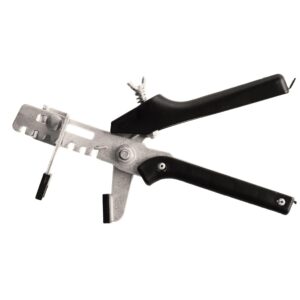
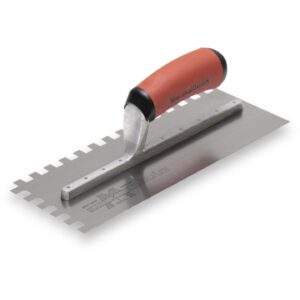
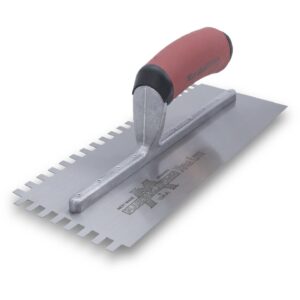
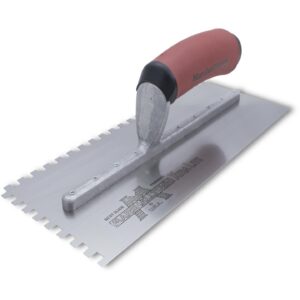
Our selection includes Marshalltown notch trowels and tile leveling installation tools such as the PEARL Leveling System installation tool designed to improve installation consistency and reduce lippage.
Types of Tile Hand Tools and Their Uses
Different tools support each stage of tile installation.
Notch trowels control adhesive coverage by creating consistent ridges that support proper bonding.
Tile leveling installation tools apply tension to leveling clips, helping maintain flat tile surfaces during curing.
Specialized installation tools improve speed and reduce rework across large tile formats.
Using the correct tools improves adhesion, alignment, and finished appearance.
Choosing the Right Tile Hand Tools
Selecting tile tools depends on tile size, substrate conditions, and installation method.
Notch size influences adhesive coverage.
Leveling systems improve flatness for large-format tile.
Ergonomic designs support repetitive installation tasks.
Durable construction helps maintain consistent performance across projects.
Maintaining reliable installation tools helps crews achieve predictable results across varying tile applications.
Built for Precision Installation
Tile work requires consistency more than force. Professional tile tools help installers maintain spacing, adhesive coverage, and surface alignment while reducing correction work during finishing.
As tile formats grow larger, leveling tools and proper trowel selection play a larger role in installation quality.
How Tile Tools Connect to Other Jobsite Supplies
Tile hand tools are commonly used alongside adhesives, mixing equipment, layout tools, cutting tools, safety equipment, and finishing supplies. Contractors often source these items together to maintain workflow continuity from preparation through grouting.
Tile Hand Tools FAQ
What tile hand tools are essential?
Core tile tools typically include notch trowels and leveling system tools that support adhesive application and tile alignment. These tools help ensure consistent coverage and flat finished surfaces. Additional tools are often added as project complexity increases.
Why are notch trowels important?
Notch trowels control mortar thickness and coverage, which directly affects tile bond strength. Using the correct notch size helps prevent voids and improves installation durability. Different tile sizes require different notch patterns.
What does a tile leveling tool do?
Tile leveling tools apply tension to leveling clips to keep tile surfaces flush while adhesive cures. This helps reduce lippage and improves finished appearance. They are especially useful for large-format tile.
How do I choose the right notch size?
Notch size depends on tile dimensions, substrate flatness, and adhesive type. Larger tiles typically require larger notches to ensure proper coverage. Manufacturer recommendations should be followed.
Do leveling systems replace proper installation technique?
No. Leveling systems support consistency but proper substrate preparation and adhesive application remain critical.